
Chalazion vs Stye: What It Is, What To Do at Home, and When to See an Optometrist
An eyelid bump can be alarming, painful, and frustrating. The two most common causes are a stye (hordeolum) and a chalazion. They can look similar, but they are not the same, and the best treatment depends on which one you have.
Details- Published: February 27, 2026
- Author: Dr. Harina Thyriar, Optometrist (Certified in Ocular Pathology)
- Focus: Eyelid Health, Dry Eye, Meibomian Gland Dysfunction
- Location: Mont-Royal, Québec

Why Eyelid Bumps Happen
Most eyelid bumps form when an oil gland becomes blocked or inflamed. Your eyelids contain tiny oil glands (meibomian glands) that help keep the tear film stable. When those glands are not functioning properly, the eyelids can become irritated and prone to bumps and swelling.
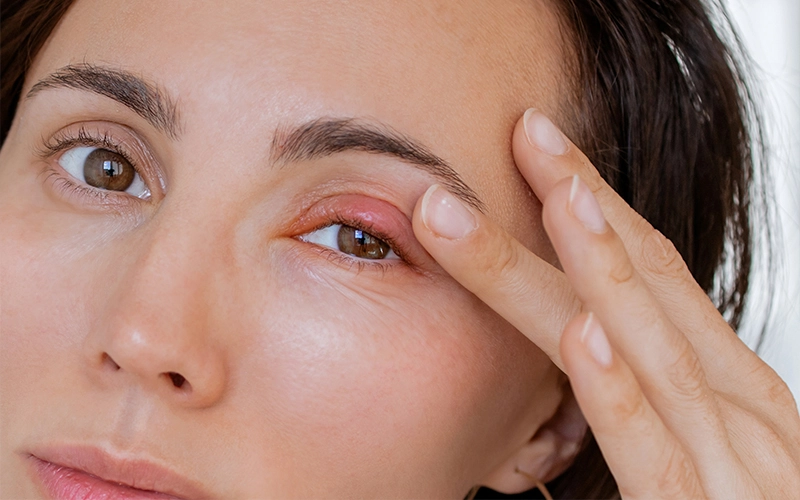
At HARINA Optométristes, we often see patients after home remedies have failed. When inflammation persists or when meibomian gland dysfunction is present, advanced light-based therapies may help accelerate recovery and reduce recurrence.
Chalazion vs Stye: What Is the Difference?
| Feature | Stye (Hordeolum) | Chalazion |
|---|---|---|
| What it is | Inflamed or infected eyelid gland, often near the lash line | Blocked oil gland causing a firm lump |
| Typical onset | Sudden, often painful | Gradual, often less painful |
| Location | Commonly at the eyelid margin | Often deeper within the eyelid |
| How it feels | Tender, sore, swollen | Firm bump, pressure, sometimes cosmetic concern |
| Most helpful first step | Warm compress + lid hygiene | Warm compress + massage |
Safe Home Treatment: What To Do First
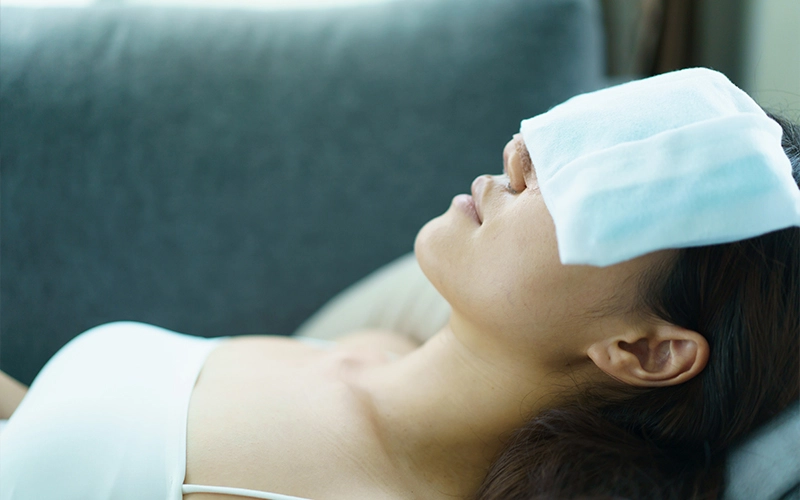
If you have a new eyelid bump, home care is often the right first step. The goal is to reduce inflammation, soften trapped oils, and encourage natural drainage. Consistency matters more than intensity.
Step 1 Warm compress (the correct way)
- How long: 10 to 15 minutes
- How often: 3 to 4 times per day
- Goal: sustained heat, not a lukewarm towel
- Tip: reusable warm compress masks work better
Step 2 Gentle eyelid massage (after heat)
- Chalazion: gentle circular motions
- Upper lid: downward massage
- Lower lid: upward massage
- Pressure: gentle and controlled
Step 3 Lid hygiene (especially if you get recurrent bumps)
- Clean the eyelid margin once or twice daily using a lid cleanser or gentle cleansing method recommended by your optometrist
- Avoid harsh scrubbing that irritates the skin
- Remove eye makeup completely every night
When Does a Cold Compress Help?
Cold compresses are not usually the main treatment for a stye or chalazion, but they can help in the early, inflamed stage when swelling is significant.
- Use cold if the eyelid is very swollen, hot, and tender.
- Use warm when the goal is drainage and gland opening.
- Do not alternate randomly. Choose based on the stage and symptoms.
What NOT To Do
- Do not squeeze or pop the bump. This can worsen inflammation and spread infection.
- Do not use leftover antibiotic drops. Treatment depends on the diagnosis and location.
- Do not wear contact lenses if you have an active, painful eyelid infection without professional guidance.
- Do not keep wearing eye makeup over an inflamed eyelid.
When You Should Not Wait
Some symptoms suggest a more serious infection or complication. Seek prompt care if you have:
- Rapidly spreading redness around the eye or cheek
- Fever or feeling unwell
- Severe pain or worsening swelling
- Vision changes or significant light sensitivity
- Difficulty opening the eye due to swelling
- Recurring bumps in the same spot (especially in older adults)
When Home Care Is Not Enough
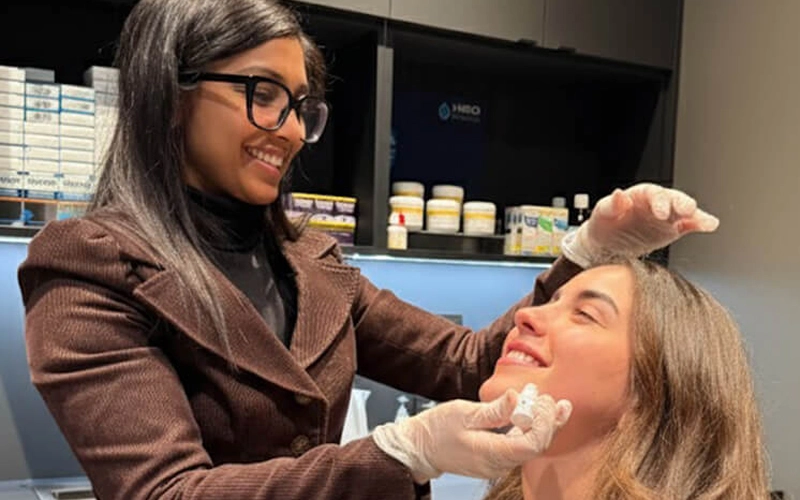
Many eyelid bumps improve with consistent home care. However, it is time to be assessed if:
- The bump does not improve after 7 to 14 days of proper warm compress and massage
- You get recurrent styes or chalazia
- The eyelids are chronically red, irritated, or oily (possible blepharitis or meibomian gland dysfunction)
- The bump becomes firm and persistent (a more established chalazion)
How We Manage Persistent or Recurrent Cases at HARINA Optométristes
Not every stye or chalazion needs advanced treatment. The key is identifying why it happened, not just treating the bump. In many patients, underlying meibomian gland dysfunction and chronic lid inflammation play a major role.
In-clinic evaluation may include:
- Confirming whether this is a stye, chalazion, or another eyelid condition
- Assessing eyelid margin health and oil gland function
- Checking for dry eye and chronic inflammation contributors
- Determining whether the lesion appears ready to drain or requires inflammation control first
When appropriate, we may recommend:
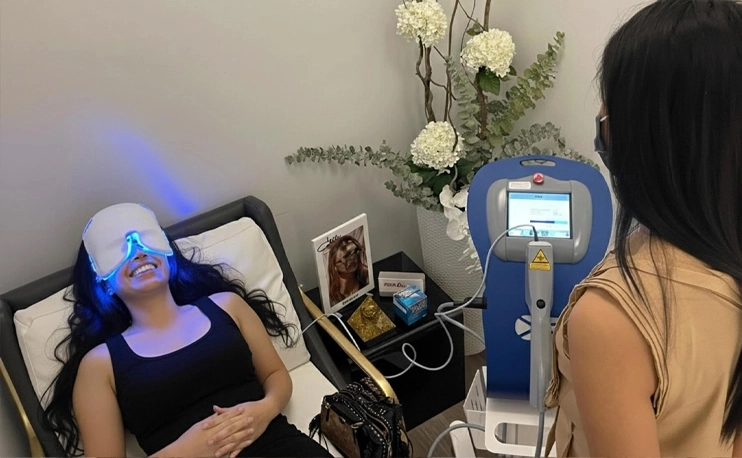
- Low-Level Light Therapy (LLLT): to help calm inflammation and support eyelid gland function
- Intense Pulsed Light (IPL): for patients with meibomian gland dysfunction, eyelid inflammation, or recurrence risk
- Targeted prescription therapy: based on clinical findings (the right medication depends on the cause)
When inflammation is better controlled, some eyelid bumps become more likely to soften and drain naturally with ongoing home care. In certain cases, careful in-office expression or manipulation may be considered when it is clinically appropriate.
When a Referral Is the Right Next Step
If a chalazion becomes persistent, firm, or recurrent despite proper management, a referral to an ophthalmologist may be recommended for procedures such as steroid injection or incision and curettage. This decision is based on the clinical appearance, duration, recurrence pattern, and patient-specific risk factors.
Book an Eyelid Bump Assessment
How To Reduce Recurrence
People who get repeated styes or chalazia often have an underlying eyelid condition that needs long-term management. Simple daily habits can make a major difference.
- Use a warm compress mask routinely if you have chronic gland blockage
- Keep eyelids clean and remove makeup completely
- Avoid rubbing the eyes
- Manage screen habits and dry eye triggers when relevant
- Replace eye makeup regularly and do not share it
For patients with meibomian gland dysfunction, a structured plan can reduce the chance of future flare-ups and help keep the eyelids comfortable long-term.
Frequently Asked Questions About Chalazion and Styes
No. A stye (hordeolum) is usually an acute, tender inflammatory bump often near the lash line. A chalazion is typically a blocked oil gland that forms a deeper, firmer lump and is often less painful.
With consistent warm compresses and lid hygiene, many styes improve over several days. If swelling worsens or does not improve within 7 to 14 days, an assessment is recommended.
A chalazion can take longer than a stye, sometimes weeks. Early and consistent heat and gentle massage can help. Persistent, firm chalazia may require in-clinic management or referral.
Warm compresses are typically the main home treatment because they help soften oils and encourage drainage. Cold compresses can help temporarily reduce swelling and pain in the early inflammatory stage.
No. Squeezing can worsen inflammation, spread infection, and increase the chance of complications. Use heat, gentle massage, and proper hygiene instead.
You should be assessed if symptoms are severe, if redness spreads, if you have fever, if your vision changes, or if the bump does not improve after 7 to 14 days of consistent home care. Recurrent eyelid bumps should also be evaluated for underlying gland dysfunction.
Not always. Treatment depends on whether there is an active infection, location of the lesion, and the degree of inflammation. An optometrist can determine whether medication is appropriate and which type is suitable.
Recurring eyelid bumps are often linked to meibomian gland dysfunction, blepharitis, ocular rosacea, chronic inflammation, or dry eye. Treating the underlying eyelid condition reduces recurrence risk.
IPL and LLLT are light-based therapies commonly used to support eyelid gland function and reduce chronic inflammation in patients with meibomian gland dysfunction and related conditions. They are not required for every case but may be recommended for persistent or recurrent issues.
Many cases resolve with proper home care and optometric management. Persistent, firm, or recurrent chalazia may require referral to an ophthalmologist for procedures such as steroid injection or incision and curettage.
If you have an active, painful eyelid infection or significant inflammation, it may be safer to pause contact lens wear until you are assessed. Your optometrist can guide you based on the severity and cause.
Makeup does not directly cause all styes, but poor makeup hygiene, expired products, incomplete removal, and contamination can increase eyelid irritation and blockage risk. Removing makeup fully and replacing products regularly helps reduce recurrence.
References
The resources below provide patient-friendly and clinically grounded background information on styes (hordeola), chalazia, eyelid inflammation, and when to seek professional care.
-
Chalazion and Stye Overview:
American Academy of Ophthalmology (AAO). Stye and Chalazion. Available from: aao.org/eye-health/diseases/what-is-chalazion-stye -
General Eye Health Education:
National Eye Institute (NEI). Eye Health Information. Available from: nei.nih.gov/learn-about-eye-health -
Clinical background (education level reference):
StatPearls (NCBI Bookshelf). Chalazion / Hordeolum topics. Available from: ncbi.nlm.nih.gov/books
Stop Repeating the Same Eyelid Flare-Ups
A stye or chalazion is not just a cosmetic issue. For many people, it is a signal of underlying eyelid gland dysfunction and chronic inflammation. Home care is the right first step. But if bumps keep coming back, the goal is to treat the root cause, not chase the next flare-up.
At HARINA Optométristes, we often see patients after home remedies have failed. If your eyelid bump is persistent, recurrent, or causing significant discomfort, we can assess whether inflammation control and advanced eyelid therapy may be appropriate as part of a structured plan.
How HARINA Optométristes Can Help
Precise Diagnosis
We determine whether the bump is a stye, chalazion, or another eyelid condition.
Eyelid Gland Assessment
We evaluate eyelid margin health and oil gland function to identify the root cause.
Clear Home-Care Guidance
You leave with practical instructions that are easy to follow at home.
Structured Next Steps
For persistent or recurrent cases, we outline the right treatment path clearly.