
Urgent Care for Eye Emergencies
From sudden floaters and flashes to eye infections or foreign objects, know when to seek immediate care at our Mont-Royal clinic.
Learn More- Published: August 1, 2025
- Author: Dr. Harina Thyriar, Optometrist
- Focus: Flashes, Floaters, Foreign Objects, Eye Infections
- Location: Mont-Royal, Québec

Recognizing the Signs of an Eye Emergency
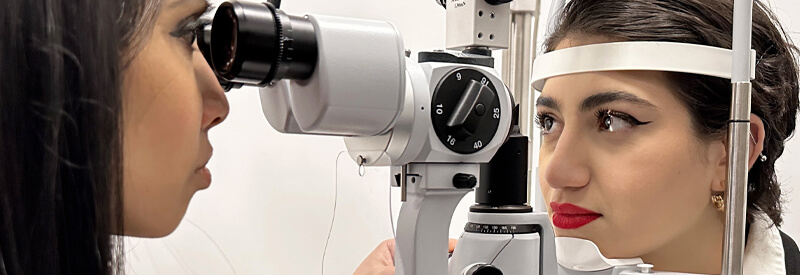
An eye emergency is any situation that requires immediate attention from an optometrist to prevent vision loss. At HARINA Optométristes, our most frequently treated emergencies include flashes and floaters, eye infections, and foreign objects. Knowing how to recognize and respond to these common issues is key to protecting your sight.
Flashes & Floaters: Understanding the Urgency
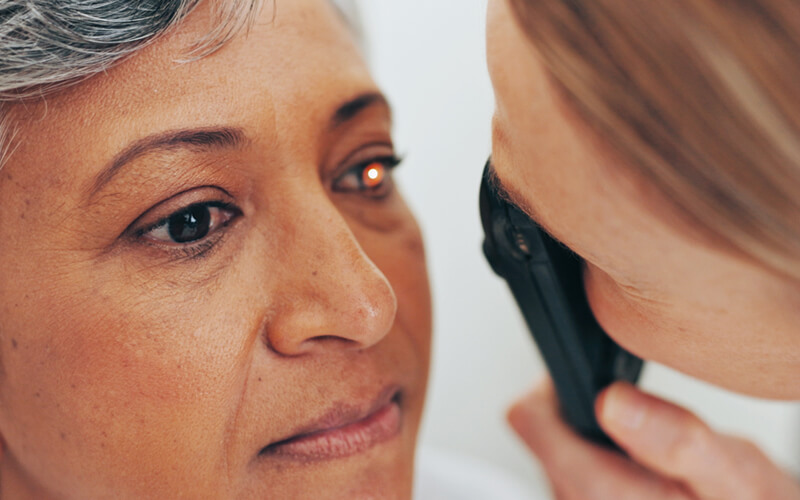
Floaters (small dark spots or squiggly lines) and flashes (streaks of light) can be normal, but a sudden increase in them is an emergency. These symptoms occur when the eye's vitreous gel pulls on the retina, and they can signal a sight-threatening retinal tear or detachment. This condition requires urgent intervention to prevent permanent blindness.
Seek Urgent Care If You Experience:
- A sudden shower of new floaters.
- New flashes of light, like lightning streaks or camera flashes.
- A shadow or a dark 'curtain' appearing in your peripheral vision.
Painful Red Eyes: More Than Just 'Pink Eye'
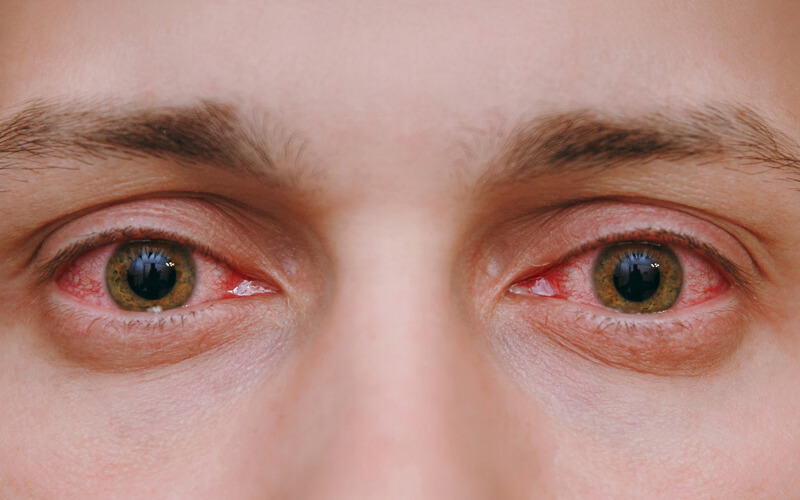
While many people associate "pink eye" (conjunctivitis) with a minor issue, bacterial infections and other types can escalate quickly. Conditions like corneal ulcers, especially common in contact lens wearers, can cause scarring and permanent vision loss if not treated with the correct antibiotic drops immediately.
Seek Urgent Care If You Have:
- Significant eye pain or blurry vision.
- Thick yellow or green discharge from the eye.
- Extreme sensitivity to light.
- A red eye that is worsening instead of improving.
Foreign Objects and Eye Injuries: First Aid Facts
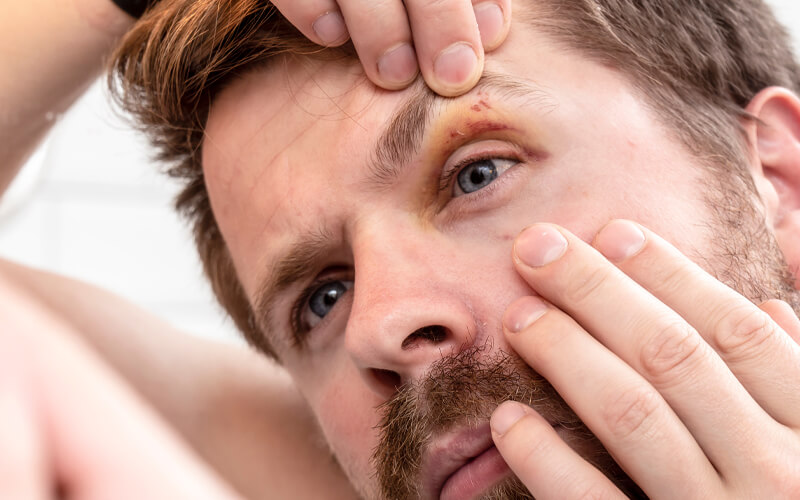
Getting something in your eye, from a tiny metal filing to a simple eyelash, can be intensely irritating and dangerous. Attempting to rub it out can scratch the cornea (a corneal abrasion), leading to significant pain and risk of infection. An optometrist has the specialized tools to remove foreign bodies safely and assess for any scratches.
What to Do:
- For a Scratch or Small Particle: Do NOT rub your eye. Try blinking or gently rinsing with sterile saline. If the gritty feeling persists, you need to be seen.
- For a Penetrating Object: Do NOT attempt to remove it. Protect the eye by taping a paper cup over it and seek immediate emergency care.
- For a Chemical Splash: Flush the eye with cool, clean water for at least 15-20 minutes, then call us or go to the ER.
Our Emergency Eye Care Process at HARINA
When you face an eye emergency, we have a structured process to ensure you receive prompt and effective care. Here’s what you can expect when you visit our Mont-Royal clinic for an urgent issue.
Step 1: Immediate Triage
& History
We prioritize emergencies. Our team will listen to your symptoms, understand what happened, and quickly prepare you for an examination with the optometrist.
Step 2: Advanced Diagnostic
Exam
Dr. Thyriar will use a slit lamp (biomicroscope) to assess your eye's health. For flashes or floaters, a dilated exam is performed to get a clear view of the retina.
Step 3: Diagnosis
& Treatment
Once a diagnosis is made, we begin treatment immediately. This may include removing a foreign object, prescribing antibiotic drops, or providing an urgent referral to a specialist.
Step 4: Follow-up
& Recovery Plan
We ensure you leave with clear instructions for at-home care and schedule any necessary follow-up appointments to monitor your recovery and protect your long-term vision.
Explore more from HARINA Eye Health HUB
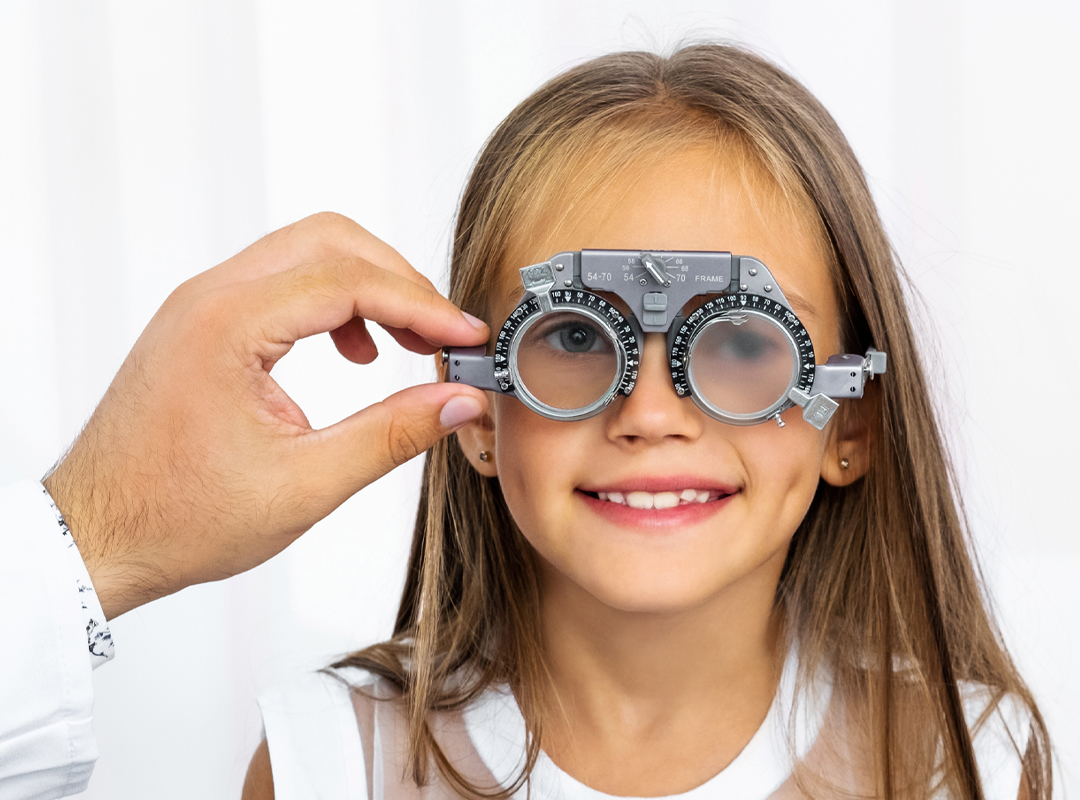
The Importance of Pediatric Eye Care: Early Detection is Key
Discover why early and regular eye exams are vital for children's visual development and success in school.

Myopia Control: Advanced Solutions for Nearsightedness
Explore modern treatments like Stellest® and MiSight® lenses to slow myopia progression in children.

Navigating the Digital World: Tips to Prevent Digital Eye Strain
Expert advice on protecting your eyes from the effects of prolonged screen time in our digital age.

Choosing the Right Contact Lenses: A Complete Guide
Explore different contact lens options and find the perfect fit for your vision needs and lifestyle.
Your Eye Emergency Questions
An optometrist is your best first choice for most eye emergencies. For issues like infections, floaters, and foreign body removal, we have specialized equipment like slit lamps (high-powered microscopes) that hospital ERs do not. This allows for a more accurate diagnosis and treatment plan for your eye. We are the frontline of eye care.
Not always, but it often requires professional diagnosis. If your red eye is accompanied by pain, thick discharge (not watery), changes in vision, or intense light sensitivity, it is an emergency. It could be a severe bacterial infection or a more serious condition masquerading as pink eye. It is always safest to have it assessed.
While a single, slow-moving floater that has been there for a long time is usually not a concern, the appearance of any *new* floater—even just one—especially if accompanied by flashes of light or a change in vision, warrants an urgent, dilated eye exam to rule out a retinal tear.
We will prioritize your visit. Dr. Thyriar will carefully listen to your symptoms, check your vision, and then use a slit lamp to examine the structures of your eye in detail. Depending on the issue (like flashes/floaters), we will dilate your pupils to get a clear view of your retina. This allows us to make an accurate diagnosis and begin appropriate treatment immediately.
In Québec, many urgent eye care services provided by an optometrist for conditions like infections, inflammation, or foreign body removal are covered under the provincial health plan (RAMQ) for all eligible residents. We can confirm your coverage details when you call. Our priority is getting you the care you need.
References
The information in this article is for educational purposes and is based on established guidelines from leading ophthalmological and optometric organizations.
-
Flashes and Floaters:
Canadian Association of Optometrists. Floaters, Flashes & Spots. Available from: https://opto.ca/eye-health-library/floaters-flashes-spots -
Conjunctivitis (Pink Eye):
American Academy of Ophthalmology. What Is Pink Eye? — Conjunctivitis. Available from: https://www.aao.org/eye-health/diseases/what-is-pink-eye -
Corneal Abrasion (Eye Scratch):
National Eye Institute (NEI). Corneal Abrasion. Available from: https://www.nei.nih.gov/learn-about-eye-health/eye-conditions-and-diseases/corneal-abrasion -
Optometrist's Role in Emergency Care:
Ordre des optométristes du Québec. Urgences oculaires. Available from: https://www.ordredesoptometristes.qc.ca/grand-public/votre-vision/urgences-oculaires/
Experiencing Flashes, an Infection, or Eye Pain?
Don't wait. If you have an eye infection, a foreign object in your eye, or are seeing new flashes and floaters, contact our Mont-Royal clinic immediately. We prioritize eye emergencies to ensure you get the prompt, expert care needed to protect your vision.